Courses of Study
Combined EMT/Advanced EMT
Our combined EMT/AEMT curriculum is the first-of-its-kind in Georgia, allowing students to explore AEMT-level topics alongside EMT fundamentals, even without any prior EMS certification.
Our program uses a truly integrated curriculum in which EMT and AEMT content is woven together throughout the course. Students begin with advanced foundations in anatomy, physiology, and patient assessment, reflecting the AEMT expectation for a deeper understanding of the human body and disease processes. Core areas such as airway management and pharmacology are taught concurrently at both scopes to create a cohesive and clinically meaningful learning experience.
Students participate in regular hands-on skills training and full scenario-based simulations that mirror real EMS calls. These sessions reinforce technical proficiency, teamwork, and clinical decision making in a realistic and supportive learning environment.
Students in the Combined EMT and AEMT Course are required to complete approximately 160 hours of internship shifts across both semesters. Students work under the guidance of preceptors and apply what they learned in the classroom and lab in a supervised clinical setting. Areas of rotation include 911 ambulances, emergency departments (adult and pediatric), operating room, intensive care unit, and labor and delivery.
EMT and AEMT students are regularly assessed through quizzes and exams each semester to reinforce learning and assess progress. These evaluations ensure students develop a strong understanding of essential content and maintain the knowledge required for clinical readiness. Students must meet defined performance standards to continue in the program.
A FULLY INTEGRATED CURRICULUM
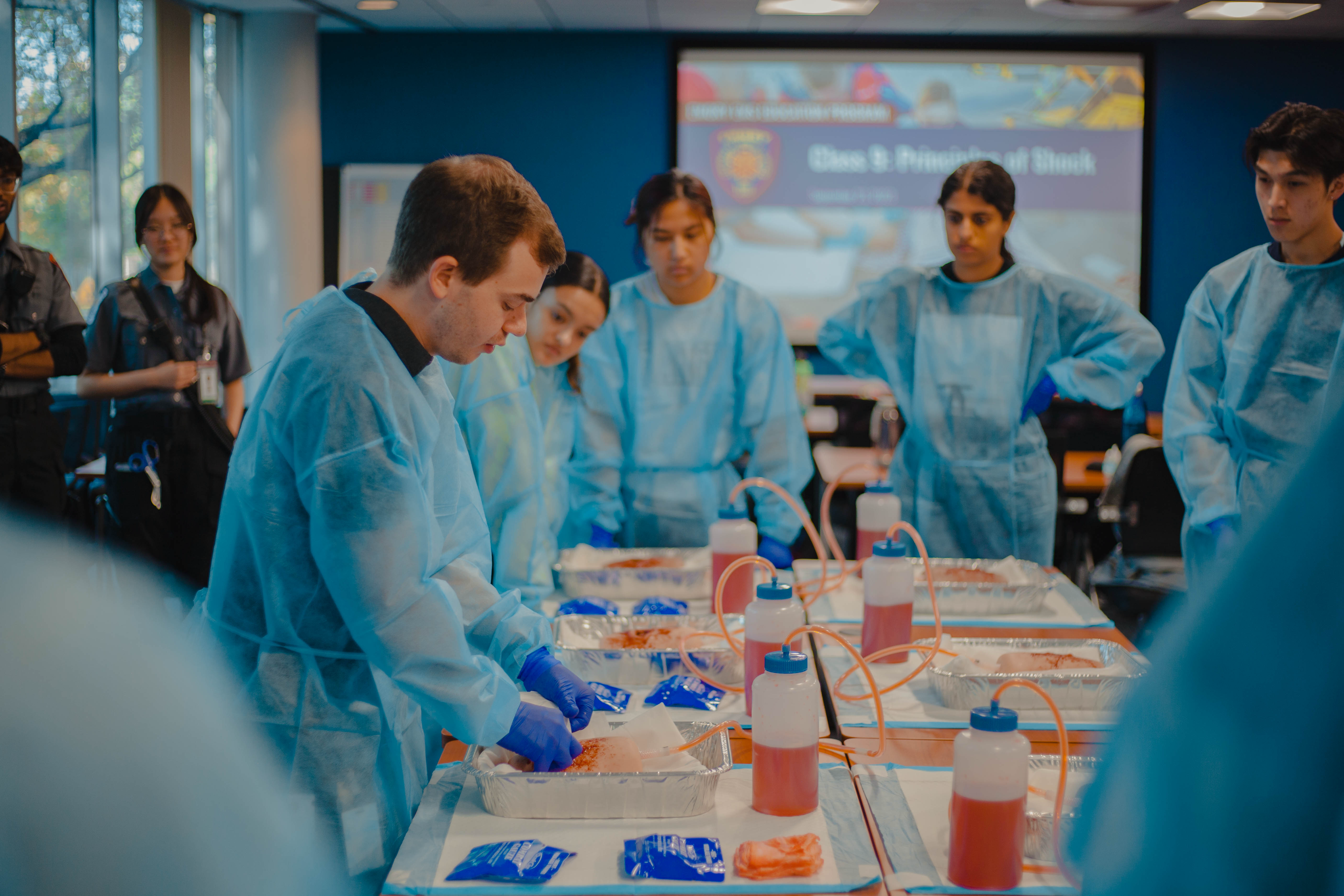
HANDS-ON SKILLS AND SIMULATIONS

FIELD AND CLINICAL INTERNSHIPS

RIGOROUS ACADEMIC STANDARDS
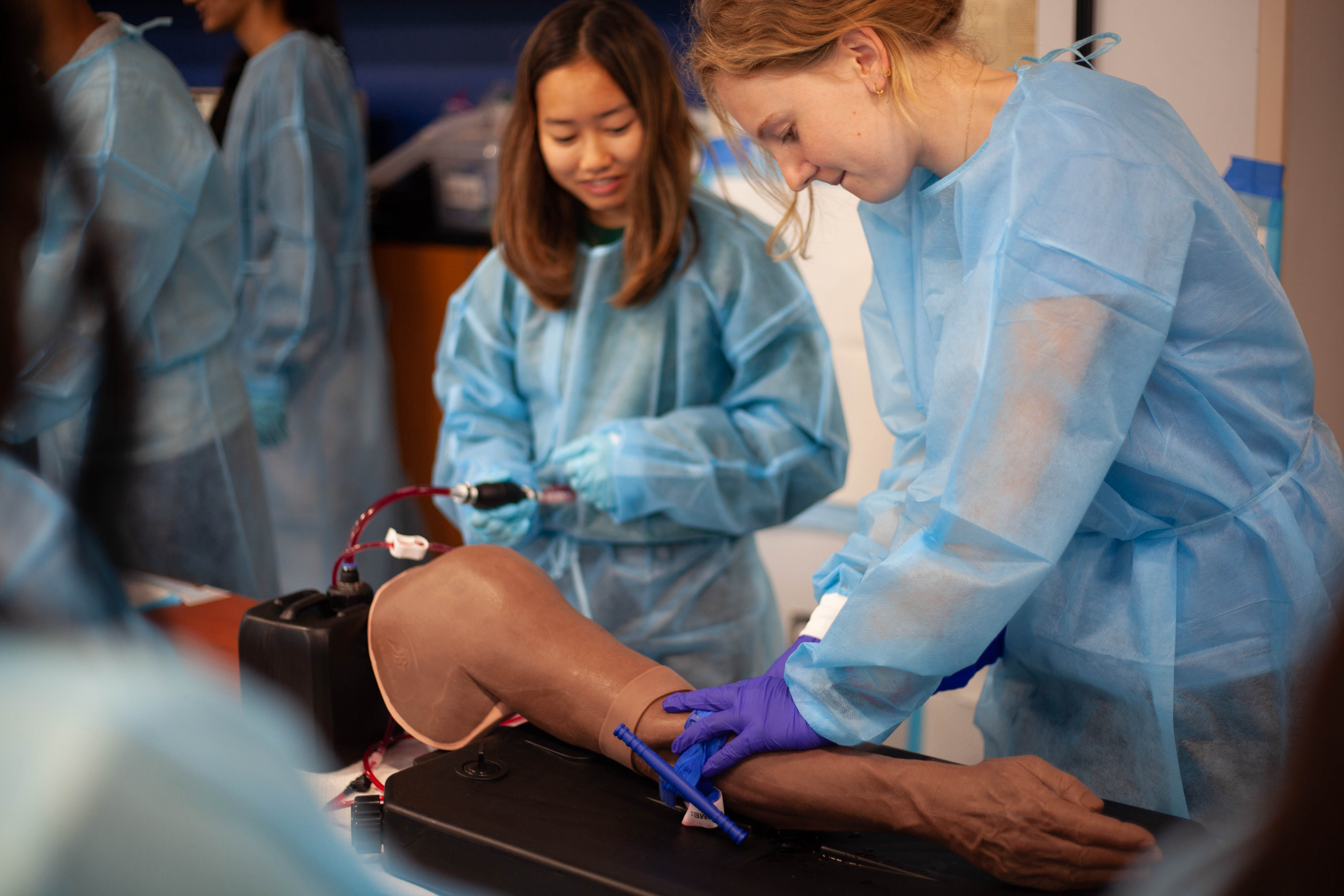
UPCOMING COMBINED EMT/AEMT COURSE
(FALL 2026-SPRING 2027)
TUITION AND OTHER COSTS
Tuition (2026-2027) | $3,000 A limited number of scholarships are available for students with demonstrated financial need. If you are in need of financial assistance and believe you may qualify, please email us at ems.education@emory.edu with your full name and 7-digit Emory Student ID Number. By submitting a financial aid request, you consent to Education Program staff working with the Emory Office of Financial Aid to determine an appropriate aid package. Please note that financial aid only covers the cost of tuition, and not additional costs associated with the program. |
Uniform Items and Tools | $150-$300 Students are required to have their own uniform boots, stethoscopes, trauma shears, pen light, and watch. All other uniform items will be provided by the program. |
Transportation Costs | $50-$1,000 Students are responsible for their own transportation to and from internship sites (e.g., gas, Uber, Lyft). Those relying on rideshare services should budget an estimated $500-$1,000, though costs may vary. Education Program Staff are mindful of these expenses and will attempt to assist coordinate carpooling whenever possible. |
Immunizations | $0-$40 |
COURSE LENGTH
- Two (2) semesters (Fall 2026 start)
LEAD INSTRUCTOR/FACULTY
- Jacob Klaus, NRP
COURSE LOCATION
- Emory University EMS Education Program: 1599 Clifton Rd, Atlanta, GA 30322
CLASS SIZE
- 30 students
MEETING TIMES
- Monday and Wednesday, 6:00 PM - 10:00 PM
- Saturdays (approximately 5 per semester): 11:00 AM - 5:00 PM
- Periodic (approximately 4 per semester) 2-hour Lab/Discussion Group Sessions are held throughout the semester. Multiple sections are available (including evenings and weekends) to accommodate students' schedules.
FIELD AND CLINICAL INTERNSHIP
- Students will complete approximately 160 hours of Field and Clinical Internship shifts outside of regular class times. Areas of rotation include:
Internship Area | Shifts | Hours | Internship Site(s) |
911 Ambulances | 9 Shifts | 108 Hours |
|
Emergency Department (Adult) | 2 Shifts | 24 hours |
|
Emergency Department (Pediatric) | 1 Shift | 4 hours |
|
Operating Room | 1 Shift | 6 hours |
|
Intensive Care Unit | 1 Shift | 6 hours |
|
Labor and Delivery | 1 Shift | 12 hours |
|
- To support busy academic schedules, students may complete internship shifts on weeknights, overnights, weekends, and during academic breaks.
- These internships are highly valuable but also demanding, and prospective students should understand the time, travel, and scheduling commitments before they apply.